1ST SEMESTER
The last post was a while ago, in December. This was because we had the winter break for the holidays, and I used that time to get to know the United States better. I wanted to explore cities beyond Washington, D.C., so I spent time traveling, visiting different places, learning about history and culture, and, of course, enjoying the food (a lot, too much).
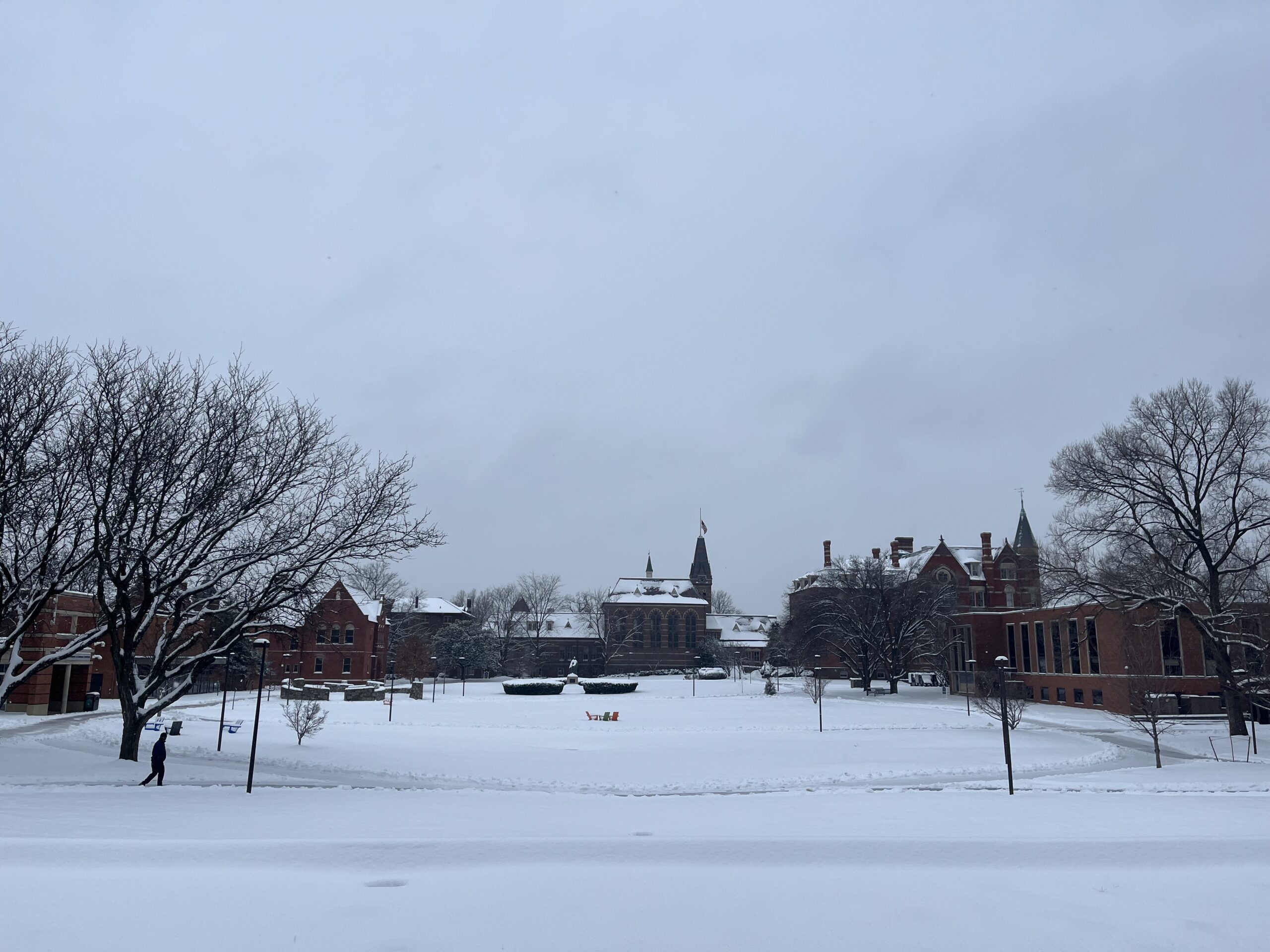
To top off the break, we were lucky enough to experience a huge snow, another new experiene. It was amazing to see the Gallaudet campus covered in white, it was absolutely breathtaking. The winter landscape was truly beautiful, and I took full advantage of the opportunity to enjoy it with an almost empty campus.
However, the holidays always came to an end, sure, and with that, a new semester begins. My goals for this semester have changed a little and did some adjustements. During my first semester, with so many new things, I wanted to be in everything, attending as many classes as possible (a little bit of FOMO, if you know what I mean). As a result I enrolled in too many courses, and had to drop a couple of them for keep the pace. While it was an enriching experience, I now need to focus on other tasks and organize my time more effectively.
For this semester, I decided to take only three courses from different fields, allowing me to develop various skills while maintaining a better balance and enjoy more actively in the class work. My main objective is to structure my activities more efficiently and concentrate on what matters most: learning and practicing new academic skills.
With the arrival of 2020, the United States also welcomed a new president, bringing significant changes and challenges. This transition, as hard as it is, is an opportunity for me to understand how people in the U.S. navigate and respond to such shifts and how this matchs with their democratic values, how they interpret daily news, and how they react to legislative and policies changes. This situation and its consequences directly affect our work as Deaf scholars, influencing education and research policies, accessibility, and societal perceptions of the Deaf community and of course both Political Science and Deaf Studies field itselfs. Without a doubt, this has been a fascinating time to be in the U.S. and to witness these transformations firsthand.
Beyond the sociopolitical environment, January has also been a crucial month for my academic growth. I submitted my first article to a journal, and it is now undergoing peer review. I am hopeful for a positive outcome, but for now, I must wait for the decision. Additionally, another achievement has been the acceptance of my presentation at the Deaf Academics Conference (DAC), where I will present my research findings on Deaf feminism in Spain. This international conference will take place in Houston, Texas, from June 4 to June 8, 2025. These accomplishments show that step by step, I am making progress, and most importantly, I feel more confident in my own research. I think that these are important milestones in my academic journey and I can now confidently say that my interdisciplinary work lies at the intersection of Political Science and Deaf Studies.
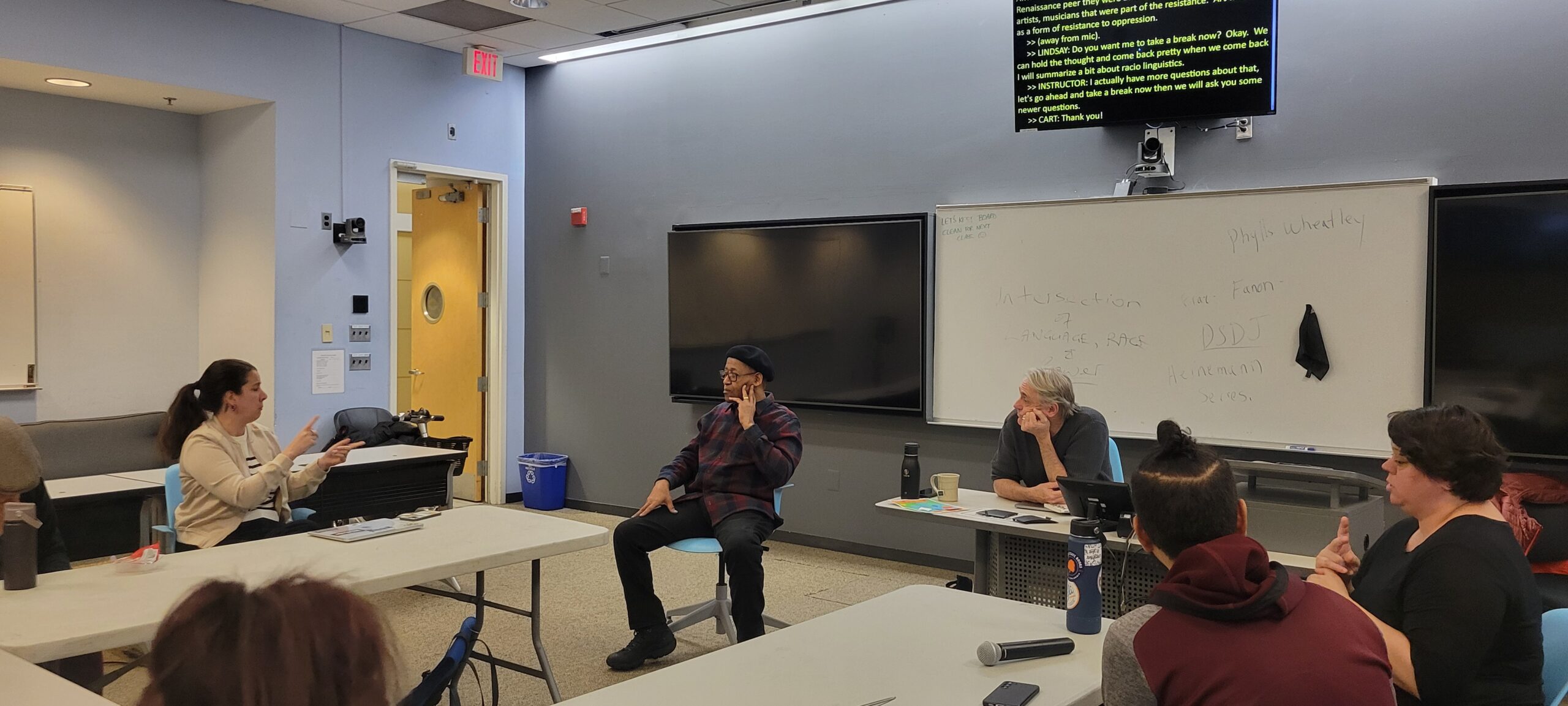
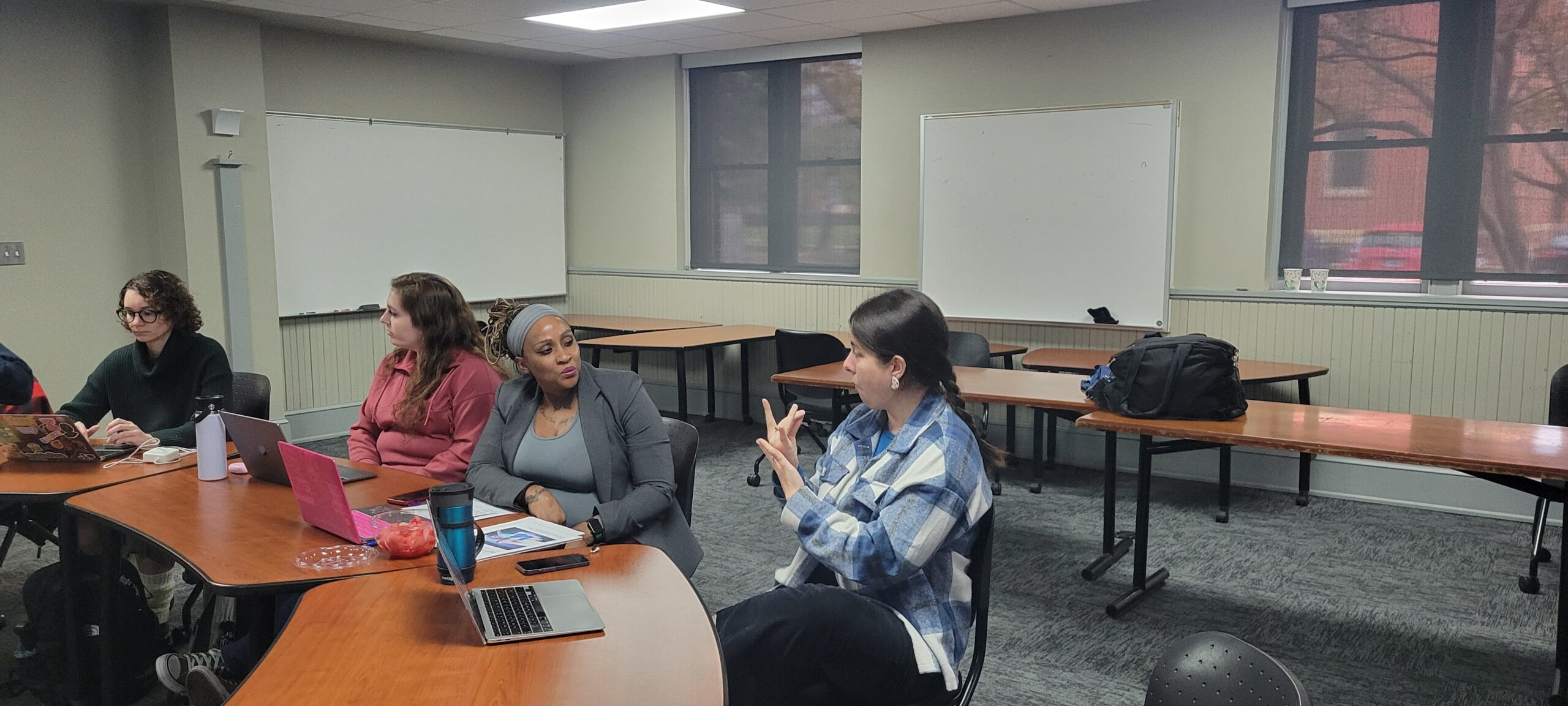
Over these past months, through participation in classes, lectures, and discussions on various topics, I have gained an invaluable academic and personal experience. Among everything I have learned, I would highlight the opportunity to engage in discussions and debates with students and professors, which has allowed me to explore different perspectives and experiences. The reality is that one person’s experience, shaped by their unique background and context, always has limitations and can never fully represent an entire community. This is why it is essential to remain open-minded, watch and listen diverse viewpoints, for develop a deeper understanding.
I believe this has been the most valuable lesson of the semester. Thanks to the Deaf Studies Incubator, I have been able to expand my skills, strengthen my knowledge, and gain a deeper insight into what it truly means to be a Deaf academic. This experience has not only enriched my academic growth but has also helped me solidify my identity within the scholarly community and better understand both the challenges and opportunities we face as researchers in this field.